Trusted Voices: Empowering Communities to Lead Epidemic Control
Project Profile: USAID CHEKUP II
1. Project Data (Sidebar/Header)
- Full Title: USAID CHEKUP II (Community HIV Epidemic Control for Key Underserved Populations)
- Donor: USAID | PEPFAR
- Prime Contractor: John Snow Health (JSH)
- CHZ Role: Strategic Consortium Partner (Community Implementation Lead)
- Target Population: Adolescent Girls and Young Women (AGYW), Key Populations, and Orphans & Vulnerable Children (OVC).
- Geography: Implementation in high-burden districts including Nchelenge, Chirundu, and Lusaka.
- Initiated 69,455 clients on PrEP.
- Achieved 100% linkage to ART treatment for identified positives.
2. Overall Objective
The primary objective of USAID CHEKUP II is to support the Ministry of Health in controlling the HIV epidemic by expanding access to testing, treatment, and prevention services for the most hard-to-reach groups.
While national HIV prevalence has stabilized, new infections remain alarmingly high among Adolescent Girls and Young Women (AGYW). Structural barriers, such as stigma, poverty, and lack of information, prevent these groups from accessing standard clinical services. CHZ’s mandate is to bridge this gap by taking health services out of the clinic and into the community.
3. The Strategy: A Human-Centered Approach
We recognized that for vulnerable adolescents, the messenger matters as much as the medicine. A young girl fearful of judgement is unlikely to walk into a formal hospital to ask for contraceptives or HIV prevention.
Our strategy replaces the “Clinic-First” model with a “Community-First” model. We utilize trusted community networks to create a safe, supportive environment where health seeking behavior is normalized rather than stigmatized.
4. Key Activities & Implementation Pillars
A. The Mentor Mother Model (Service Delivery)
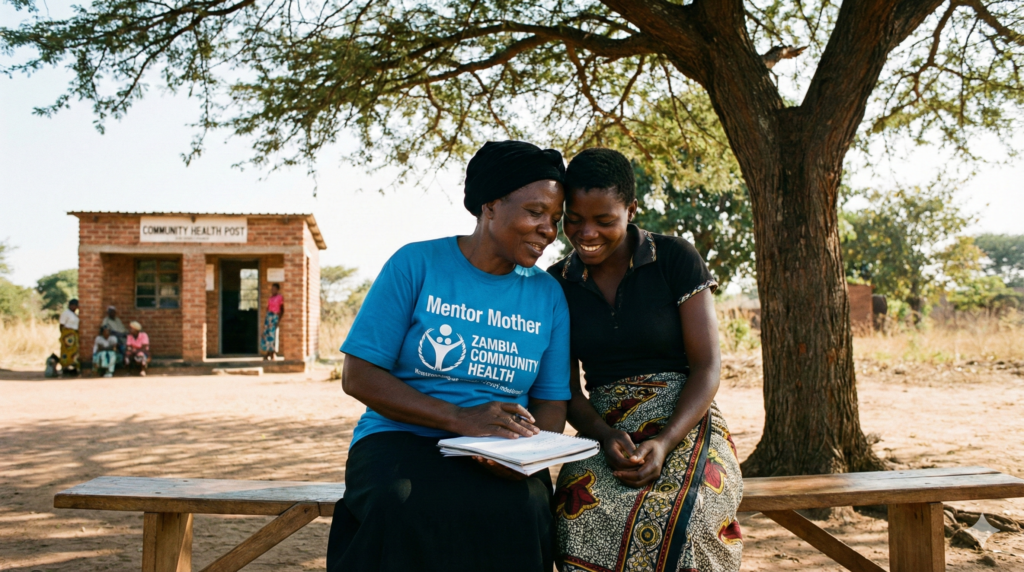
This is the core engine of our intervention. We recruit and train respected local women, “Aunties” and peers, to act as Community Health Workers (CHWs).
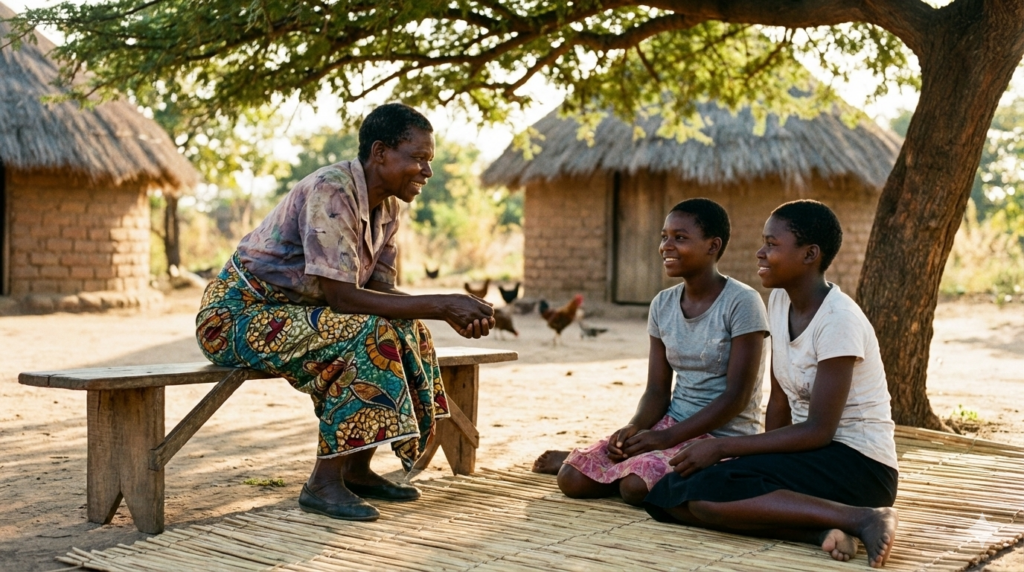
- Trust Building: Mentor Mothers conduct household visits and lead “Safe Space” sessions. Because they are insiders, they can discuss sensitive topics like sexual health, gender-based violence (GBV), and HIV prevention without raising suspicion or fear.
- Accompaniment: The most critical clinical link is “Escorted Referrals.” Mentor Mothers do not just hand a girl a referral slip; they physically walk with them to the health facility. This removes the intimidation factor and ensures the client actually reaches the service point.
B. Clinical Linkage & Biomedical Interventions
While the entry point is social, the outcome is clinical. We ensure high-yield linkage to biomedical services:
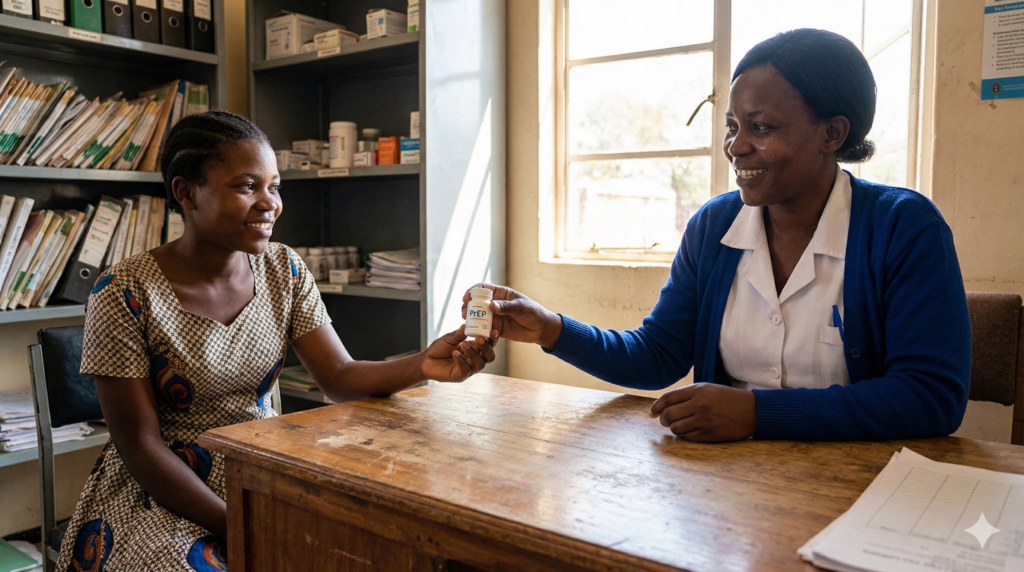
- PrEP Initiation: We aggressively promote Pre-Exposure Prophylaxis (PrEP) for high-risk adolescents. By de-mystifying the pill and explaining it as a tool of empowerment, we have seen uptake surge in rural districts.
- Viral Load Suppression: For clients already living with HIV, our community case workers provide adherence counseling and “medication reminders,” ensuring they remain virally suppressed and healthy.
- Family Planning (FP): We provide comprehensive education on reproductive health, linking young women to long-acting reversible contraceptives (LARCs) to prevent unplanned pregnancies that often derail education and economic stability.
C. DREAMS & Economic Strengthening (SBC)
Our work aligns directly with the DREAMS (Determined, Resilient, Empowered, AIDS-free, Mentored and Safe) partnership. We understand that poverty drives HIV risk.
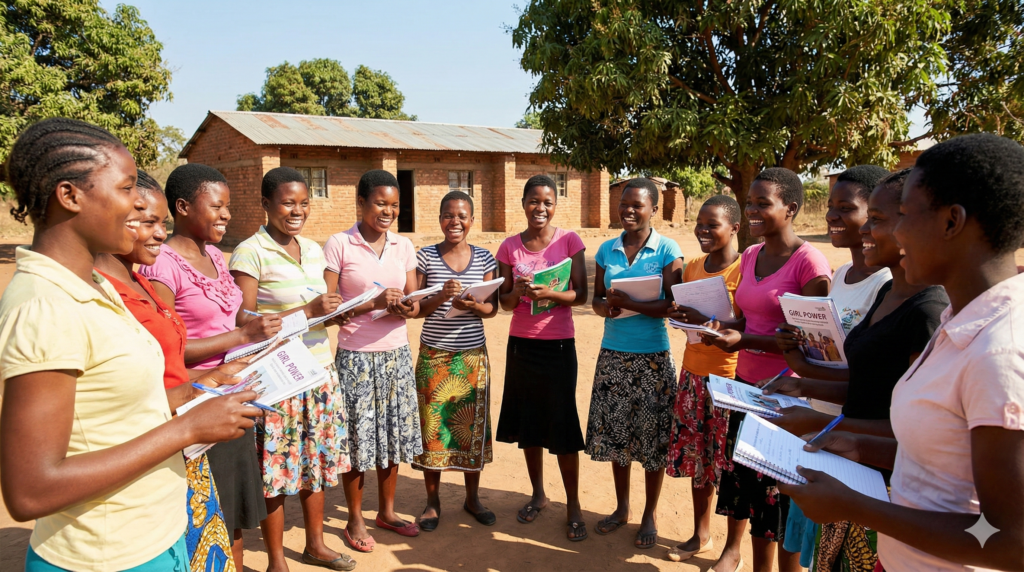
- Safe Spaces: We manage community hubs where AGYW can meet to discuss life skills, financial literacy, and self-esteem.
- Economic Empowerment: We link vulnerable young women to vocational training and savings groups. By giving a young woman financial independence, we give her the power to negotiate safer sex and make healthy choices.
5. Key Outcomes (The Impact)
- Surge in PrEP Uptake: In Nchelenge District, a historically difficult terrain for HIV programming, PrEP initiation among adolescents jumped from 19 to 72 clients in just five months following the deployment of our Mentor Mothers.
- Reproductive Health Access: We recorded a 60% increase in young women accessing Family Planning services in our catchment areas, directly reducing the rate of teenage pregnancy.
- Retention in Care: Our community follow-up system has achieved a 95% retention rate for HIV-positive adolescents, ensuring they stay on treatment despite social pressures.
6. The “So What?” (Overall Impact)
“USAID CHEKUP II proves that clinical goals cannot be met without social solutions. By empowering local women to lead the response, we are building a safety net that protects the next generation. We are not just preventing HIV; we are keeping girls in school, safe from violence, and in control of their own futures.”